Jeeva Beloam Beach Camp
Jerowaru, Lombok · Indonesia
Jeeva Beloam Beach Camp
Jerowaru, Lombok
Boutique hotel · $
11 lodges · Year-round
- Solar-powered during the day, built from recycled timber and thatch
- Rainwater recycled throughout the property
- Daily menu sourced directly from local fishermen and neighbouring farms
Welcome to Jeeva Beloam Beach Camp
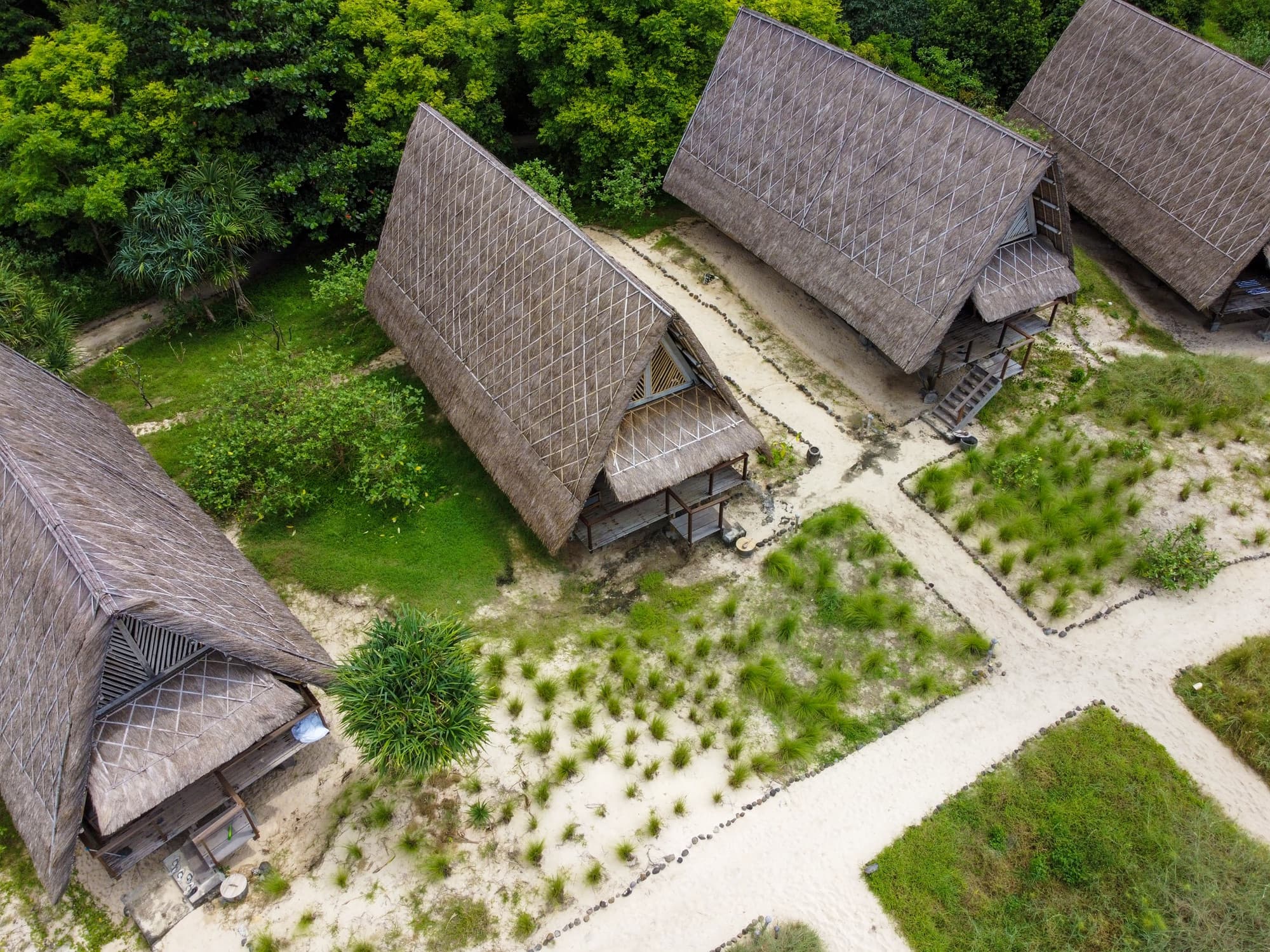
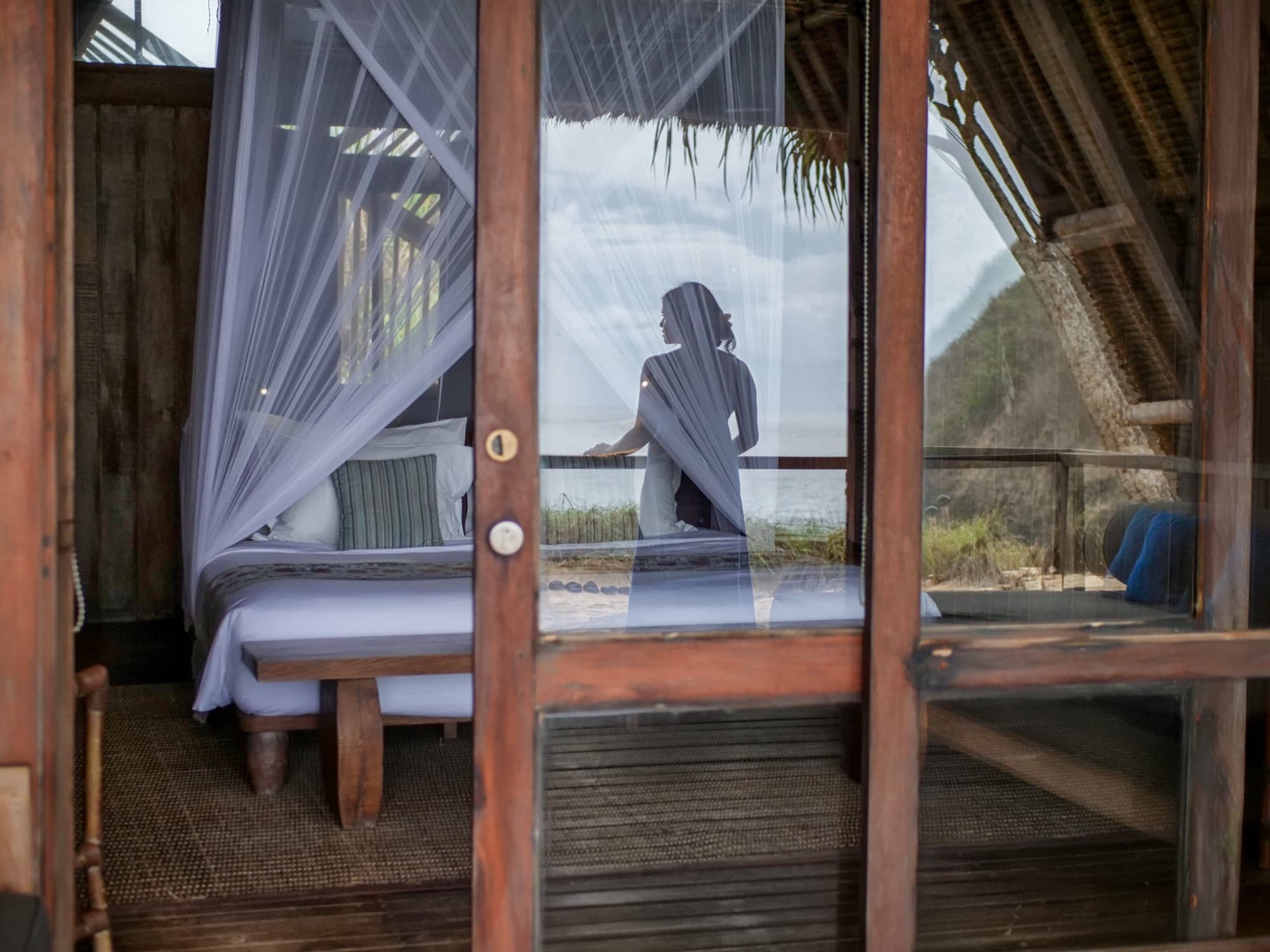
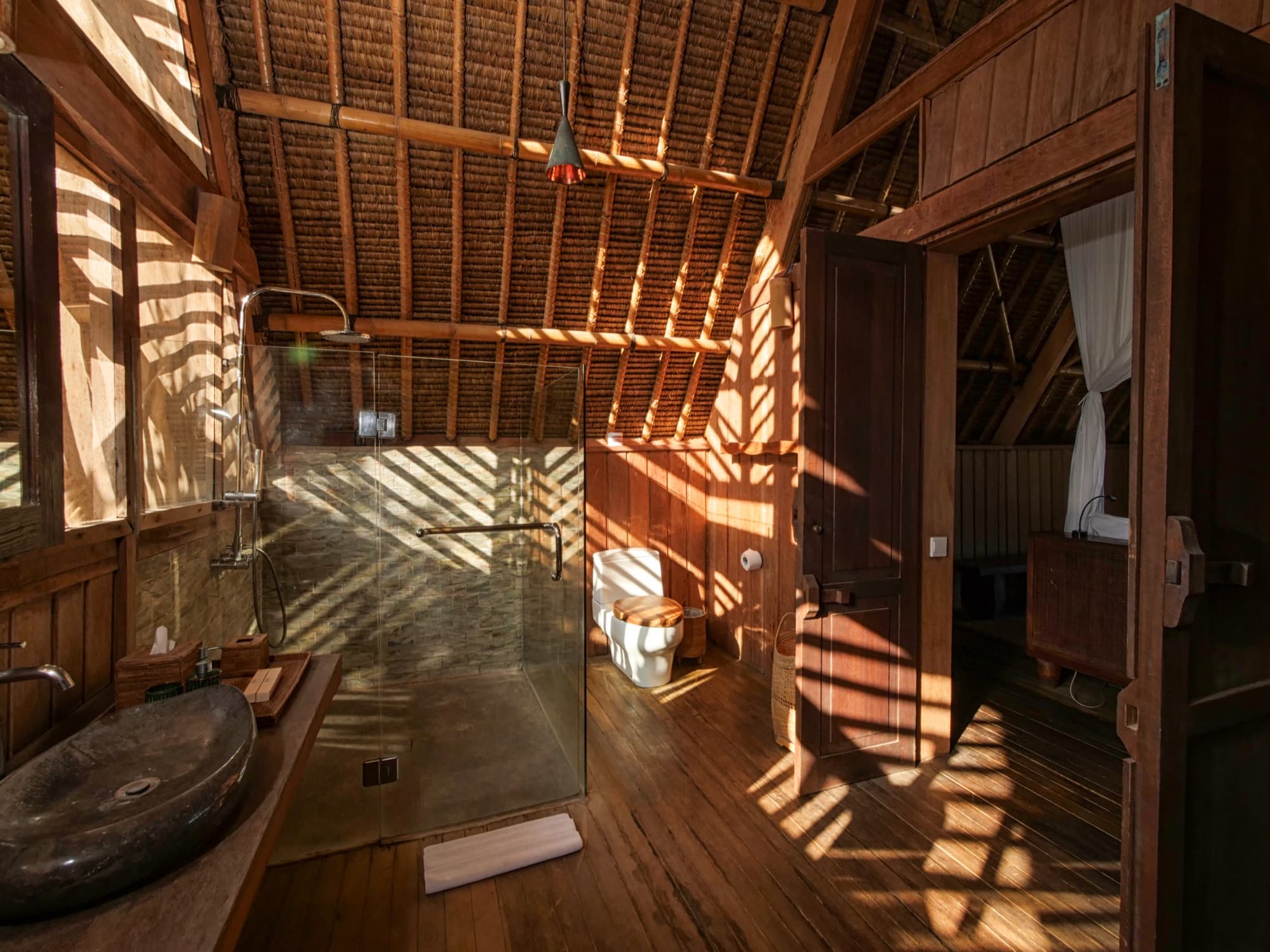
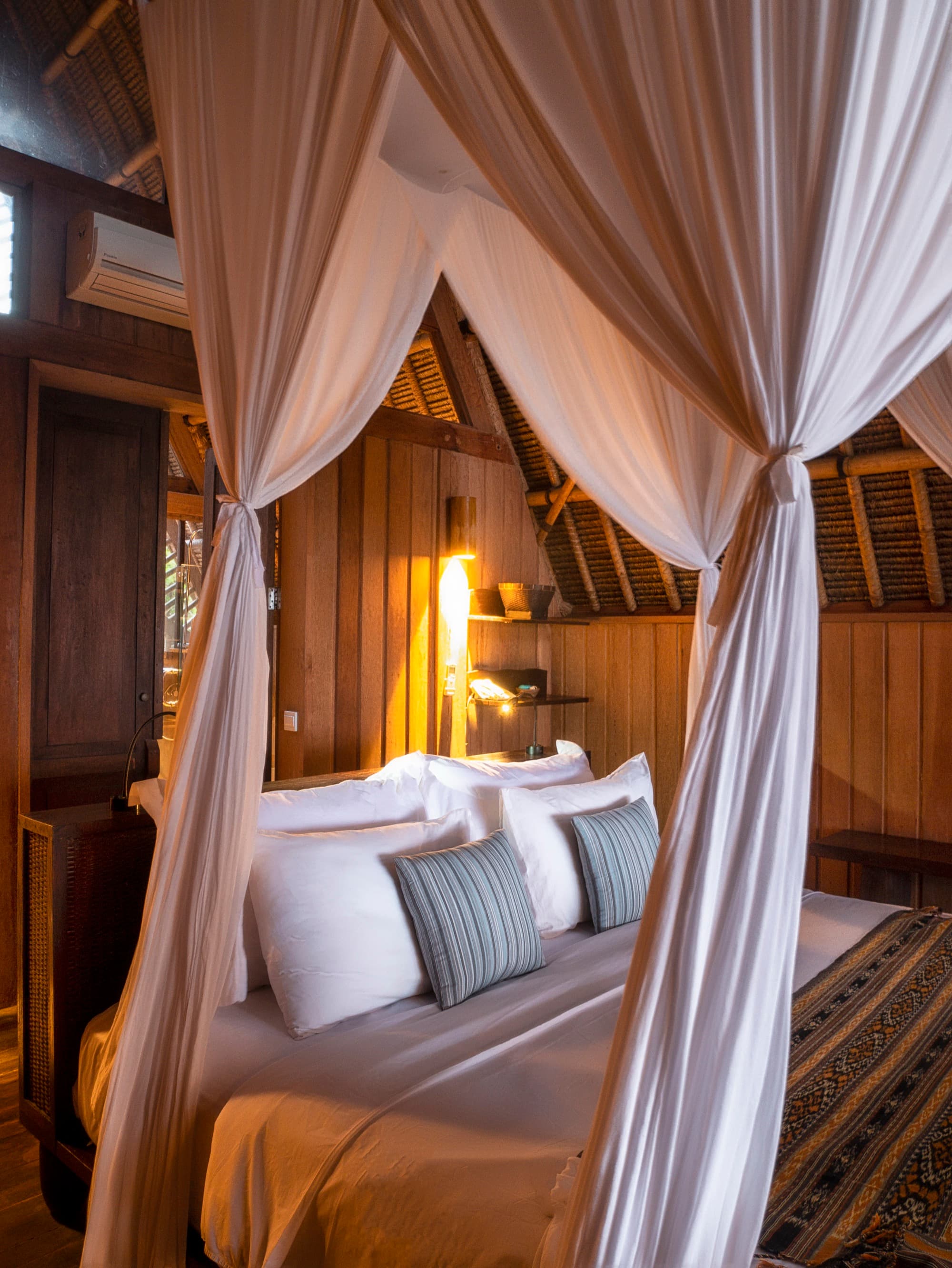
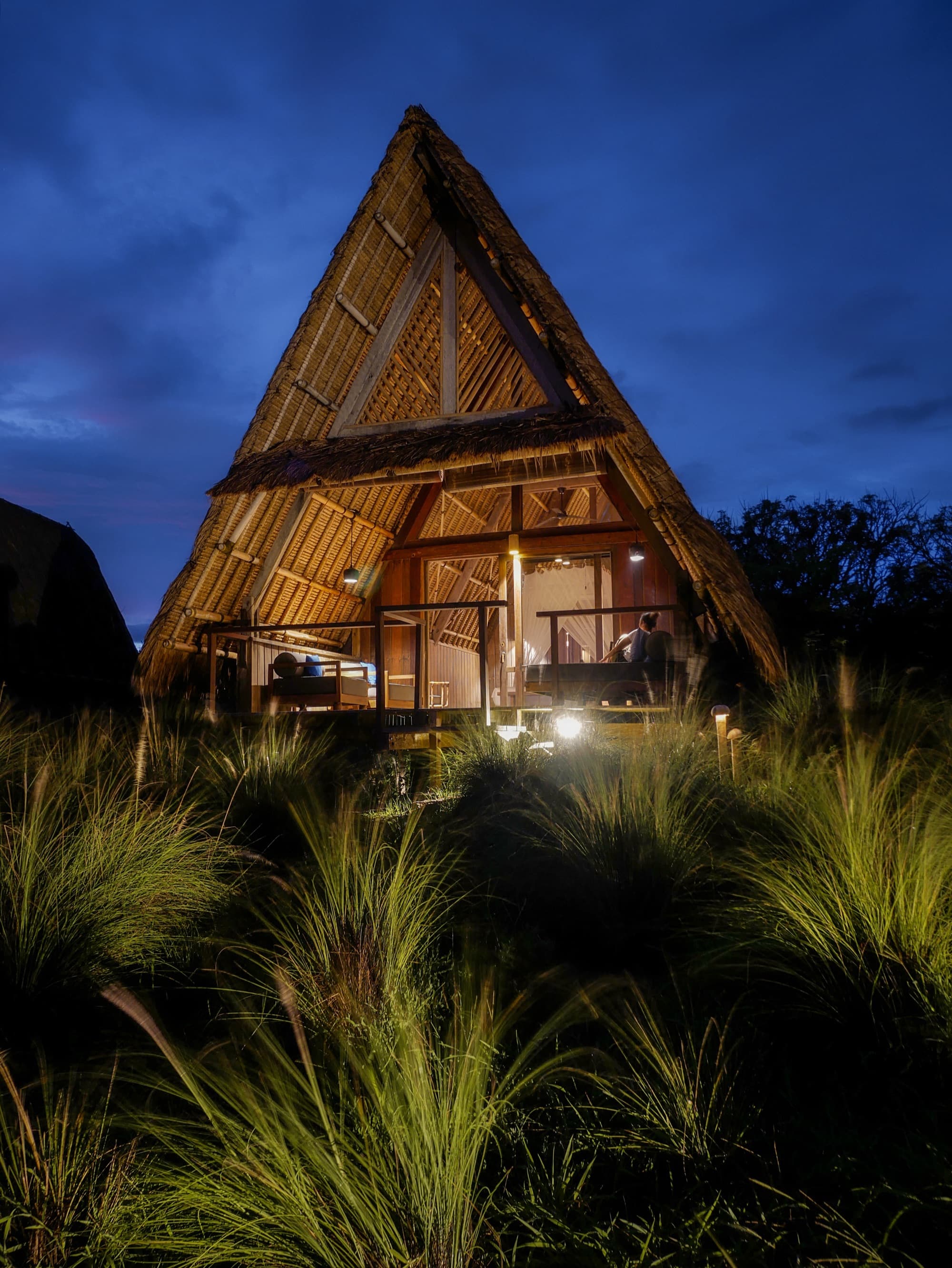
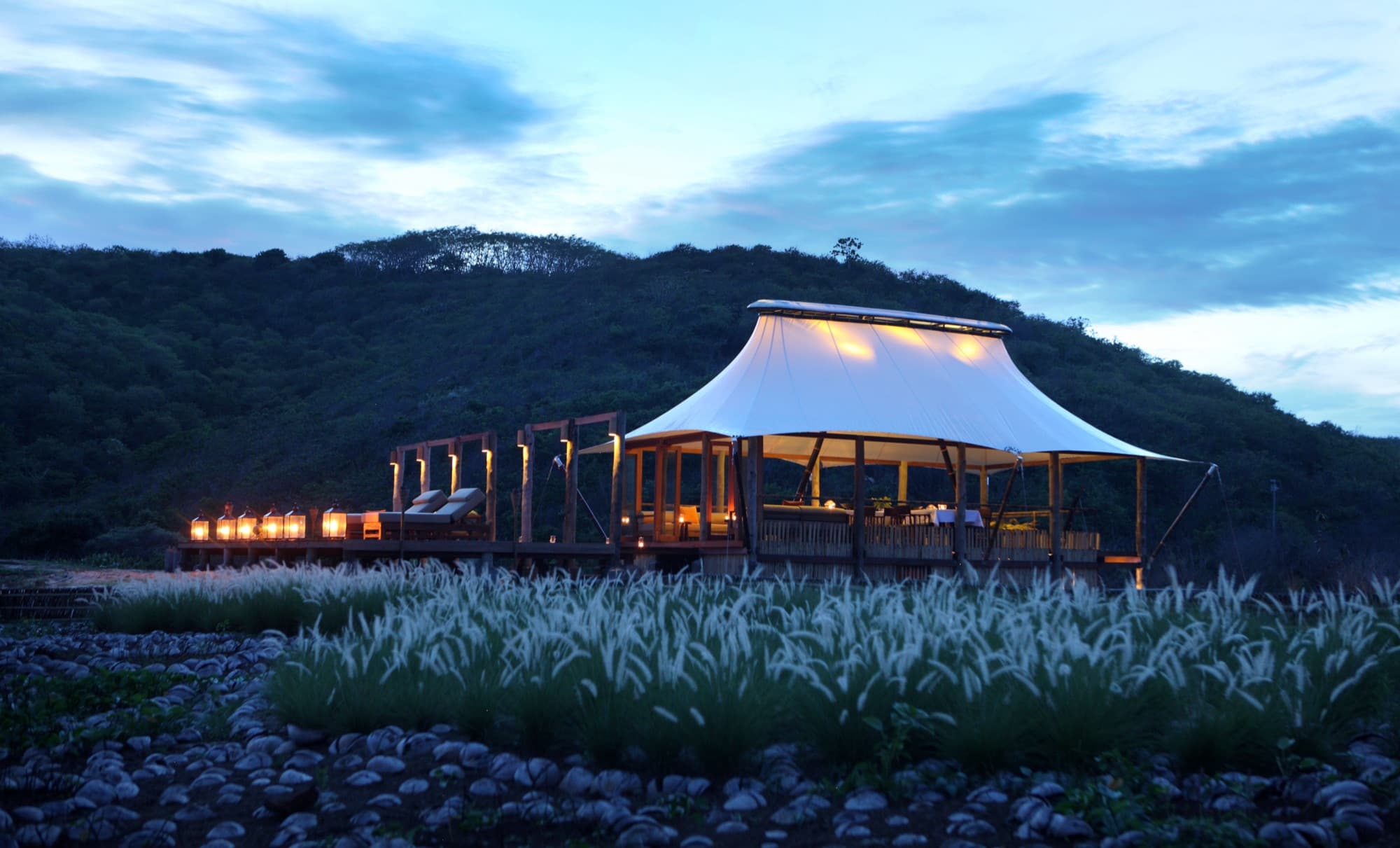
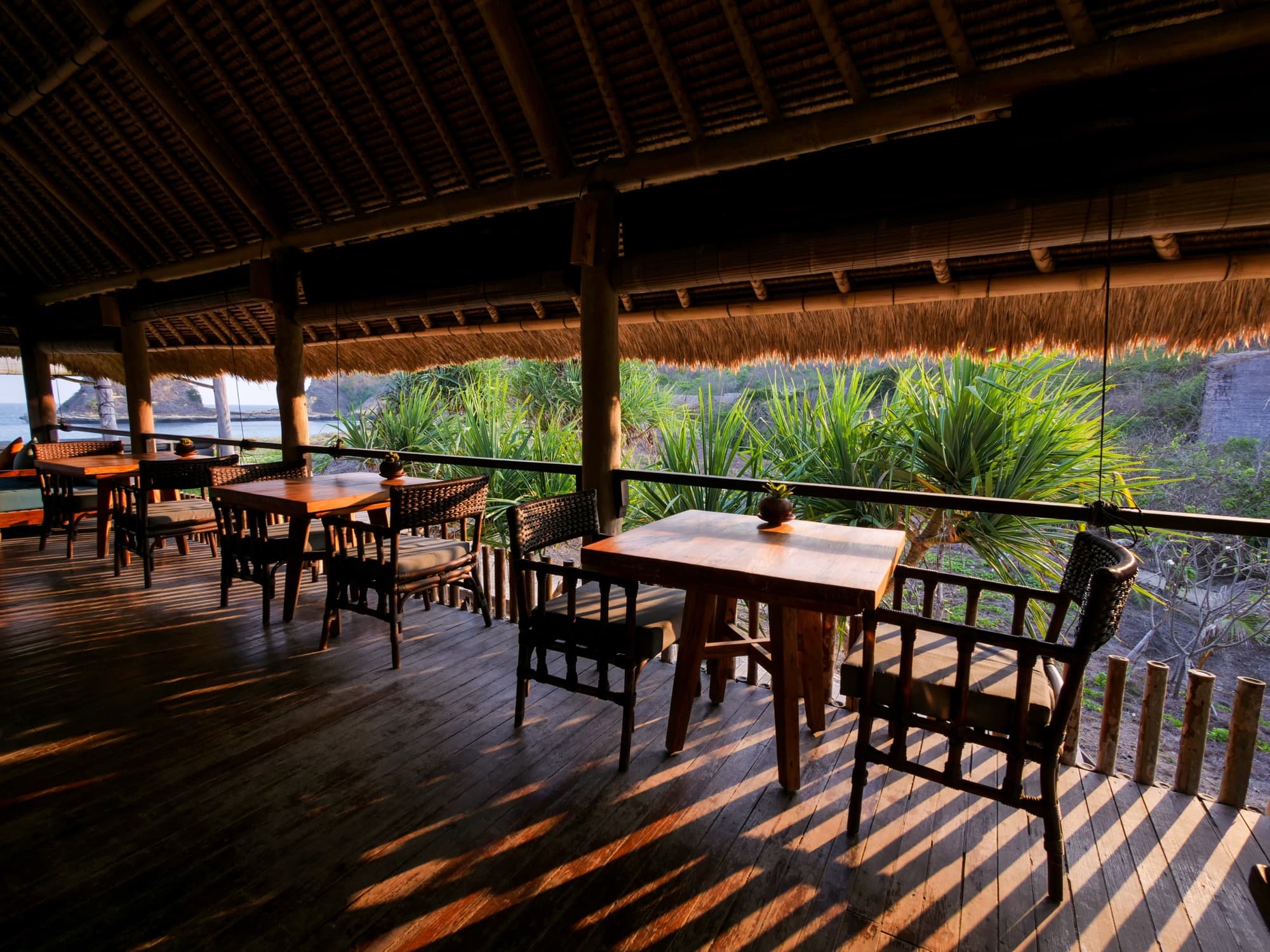
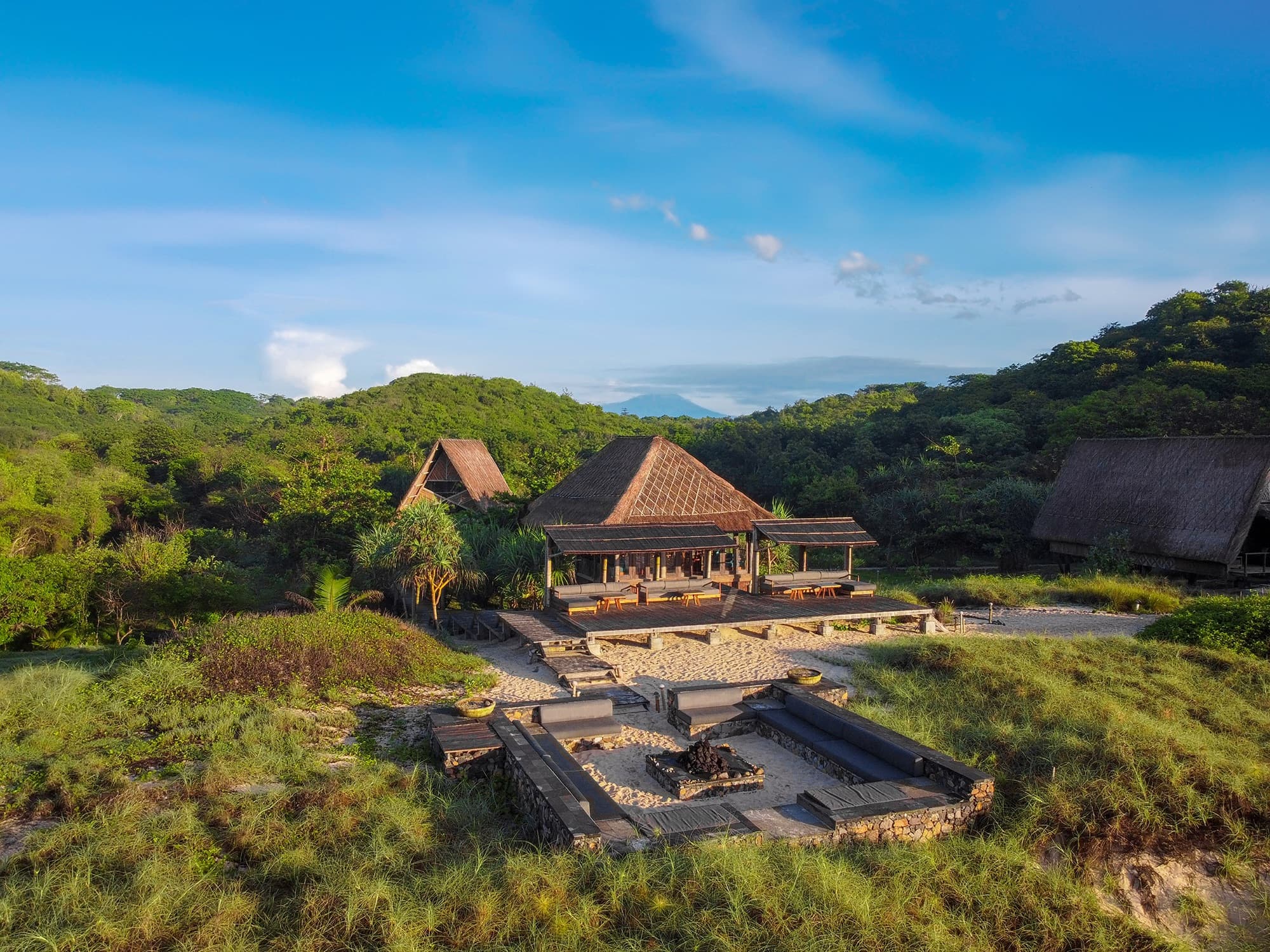
The lodges are modelled on a traditional Sasak fishing camp: recycled timber, bamboo, thatch. The electricity comes from solar panels during the day; when the sun goes down, so does the air conditioning. Every meal in the Dermaga restaurant is shaped by what arrived that morning — fish from local fishermen on the beach, poultry from neighbouring farms, vegetables from the village market. There is no fixed menu, only the daily catch.
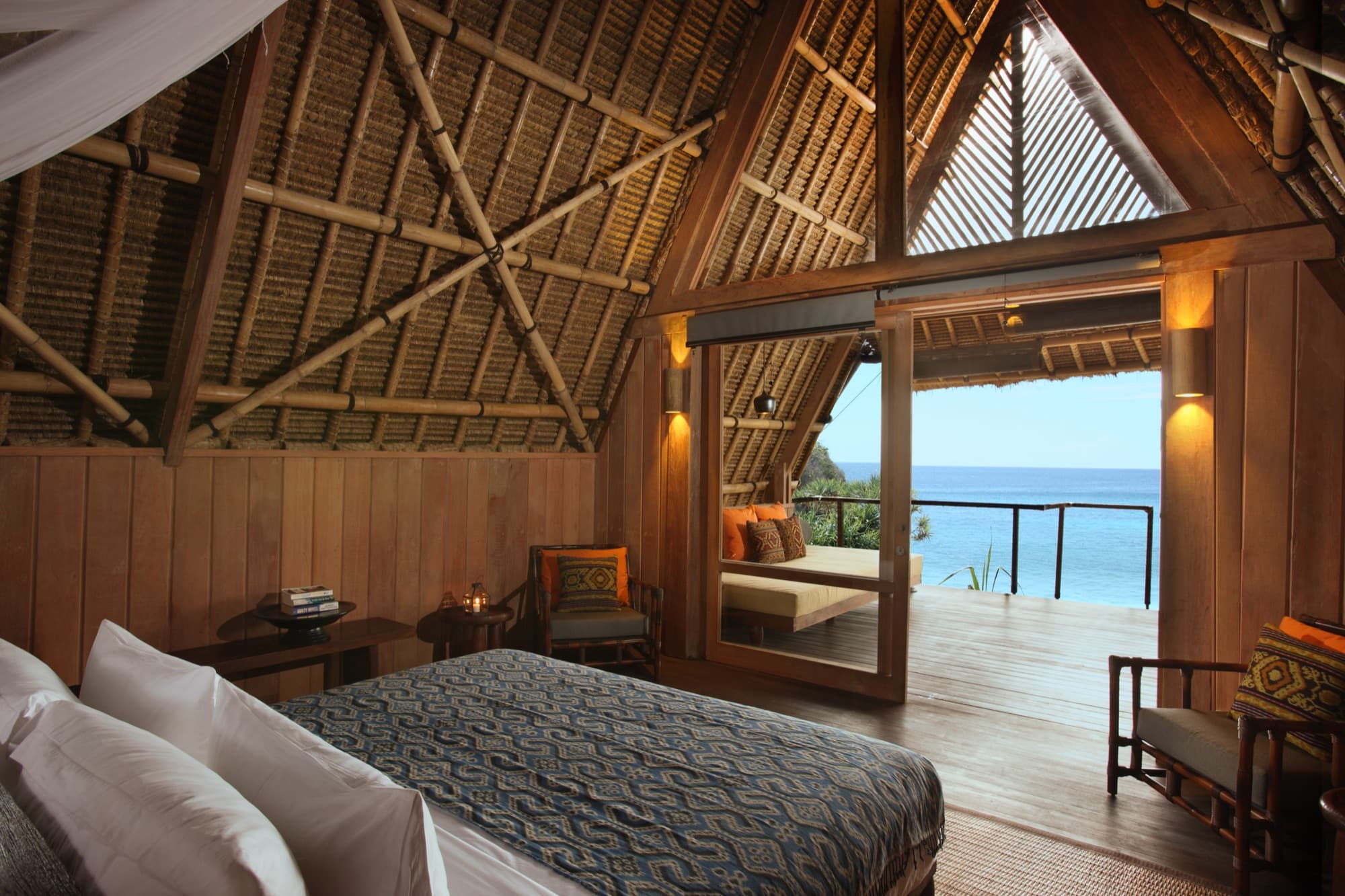
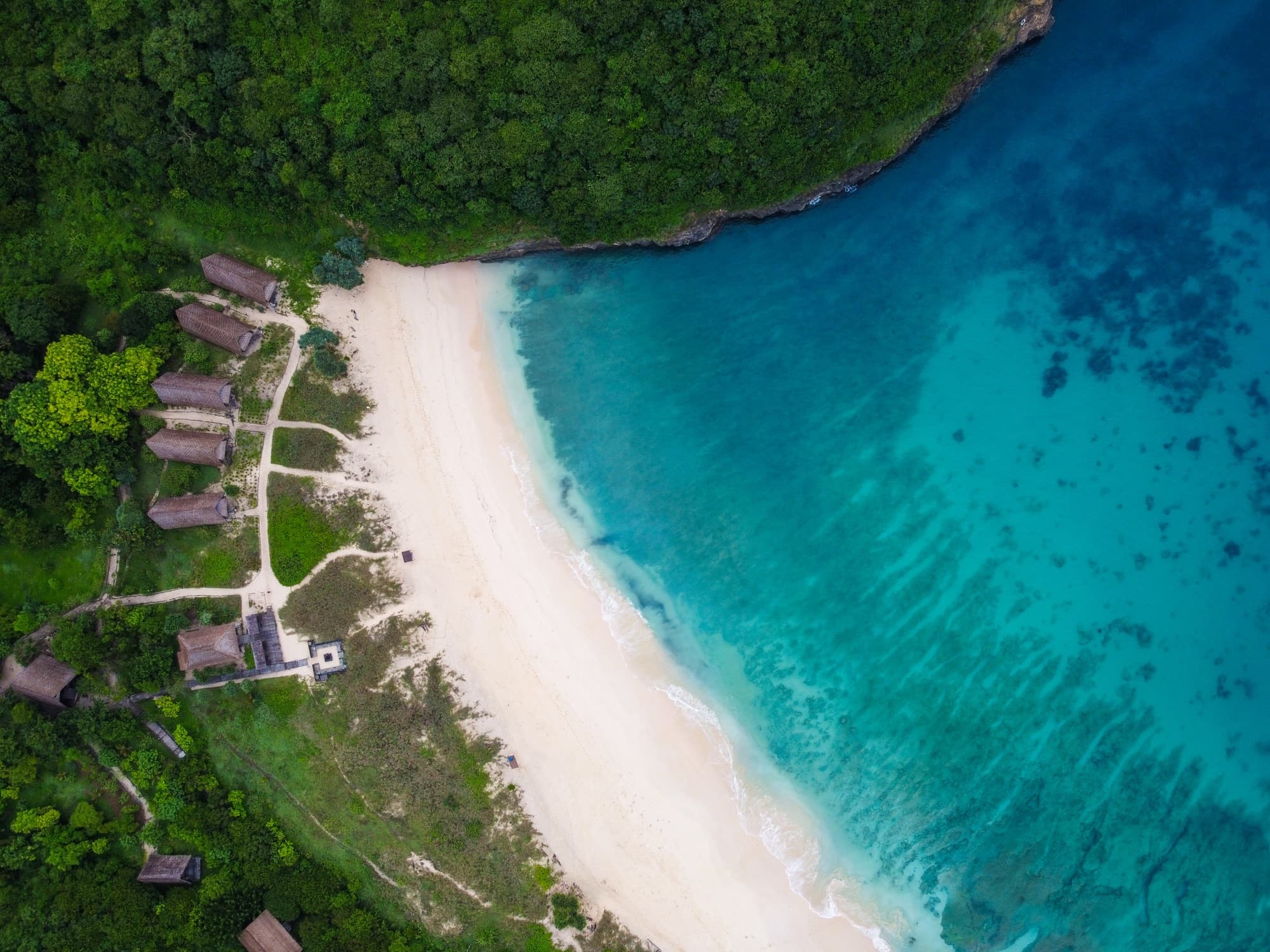
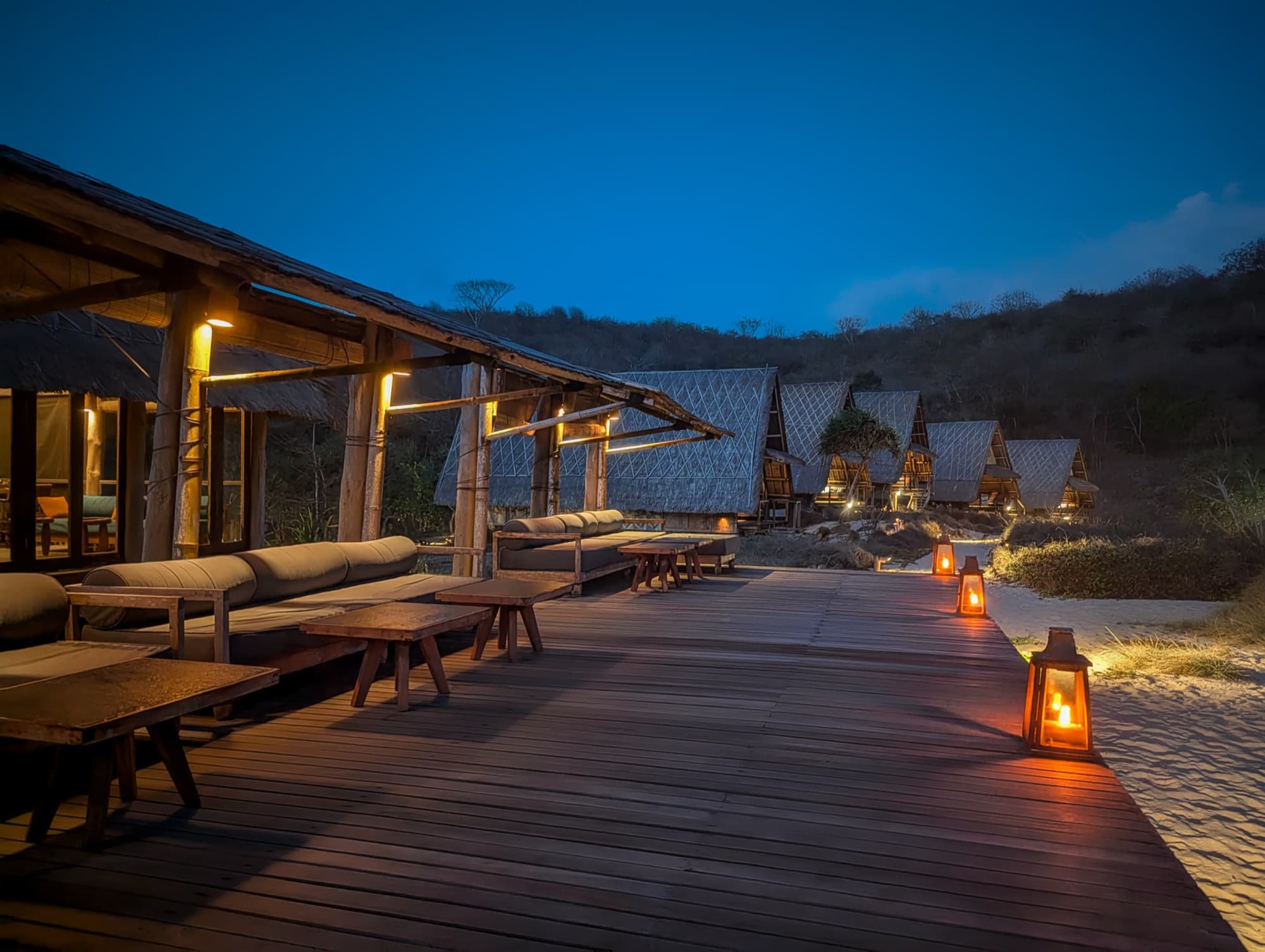
The 11 Beruga Pantai lodges sit directly on the beach, each 123 m² (60 m² indoor + covered terrace), sleeping 2 adults. Three categories: Oceanview, Oceanfront and Deluxe Oceanfront. Open-air design, no television.
The restaurant offers an all-inclusive option. The spa offers traditional Sasak massage and deep tissue. The property also has a library and a fire pit.
Guests can borrow sea kayaks and bicycles, join a fishing trip with local fishermen, or trek to the Tanjung Ringgit lighthouse (5 km) or a nearby WWII cave network. Teluk Temeak, a snorkelling and diving spot, is a short walk from the beach. Ekas Bay, known for diving and surf, is a short drive. Excursions can be arranged: wooden boat snorkelling trip, fish market trip, surf trip to Ekas.
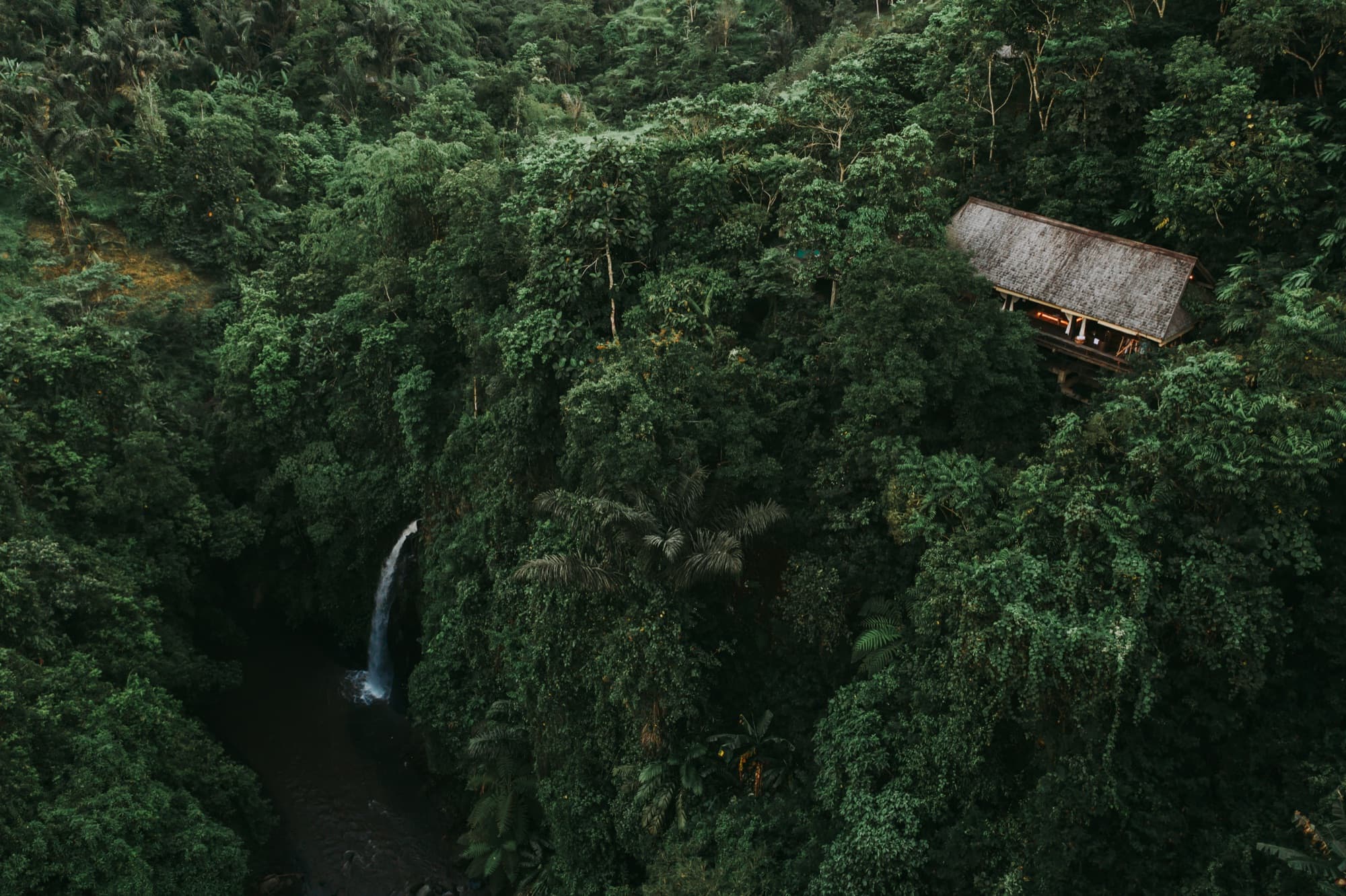
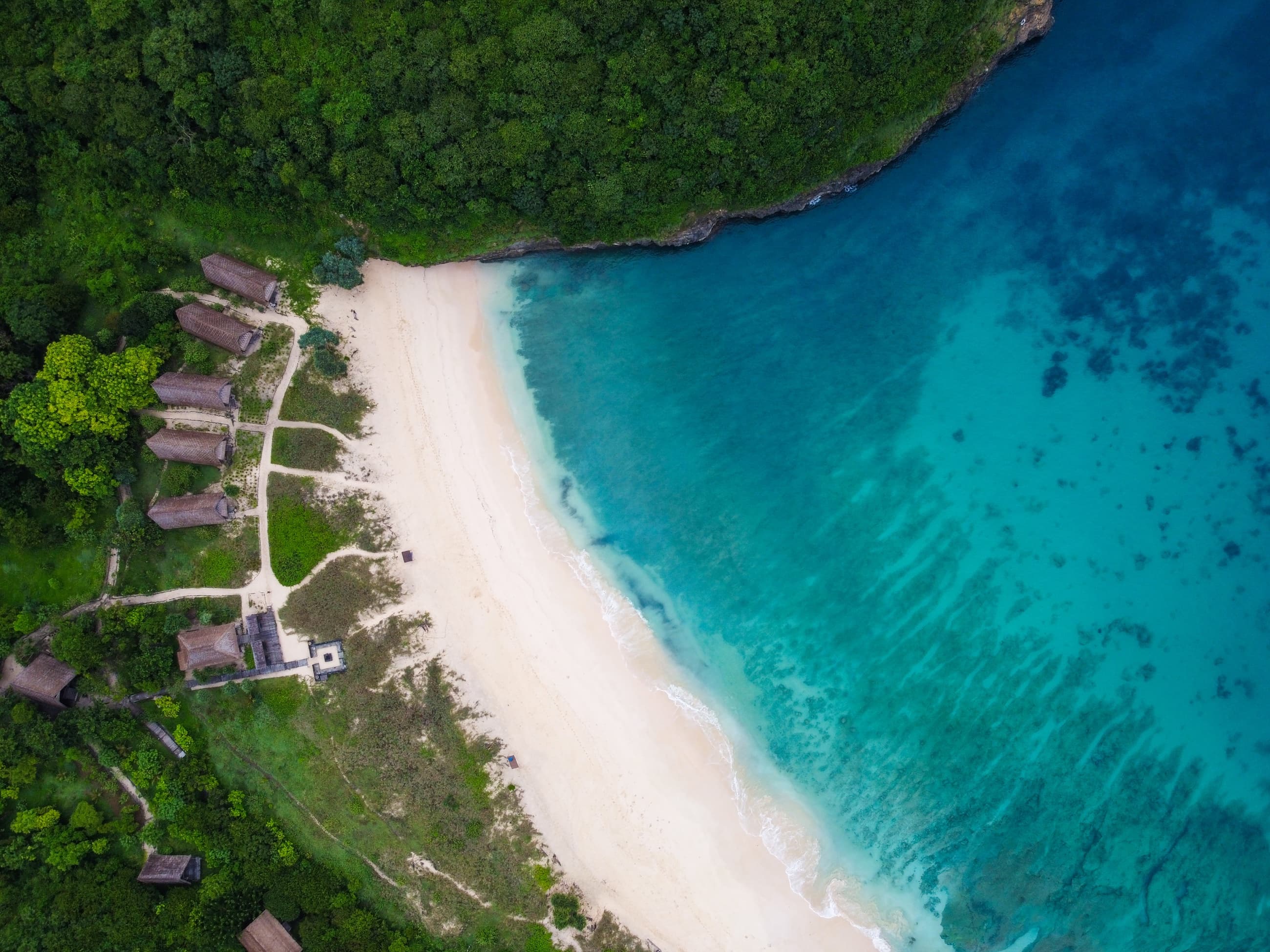
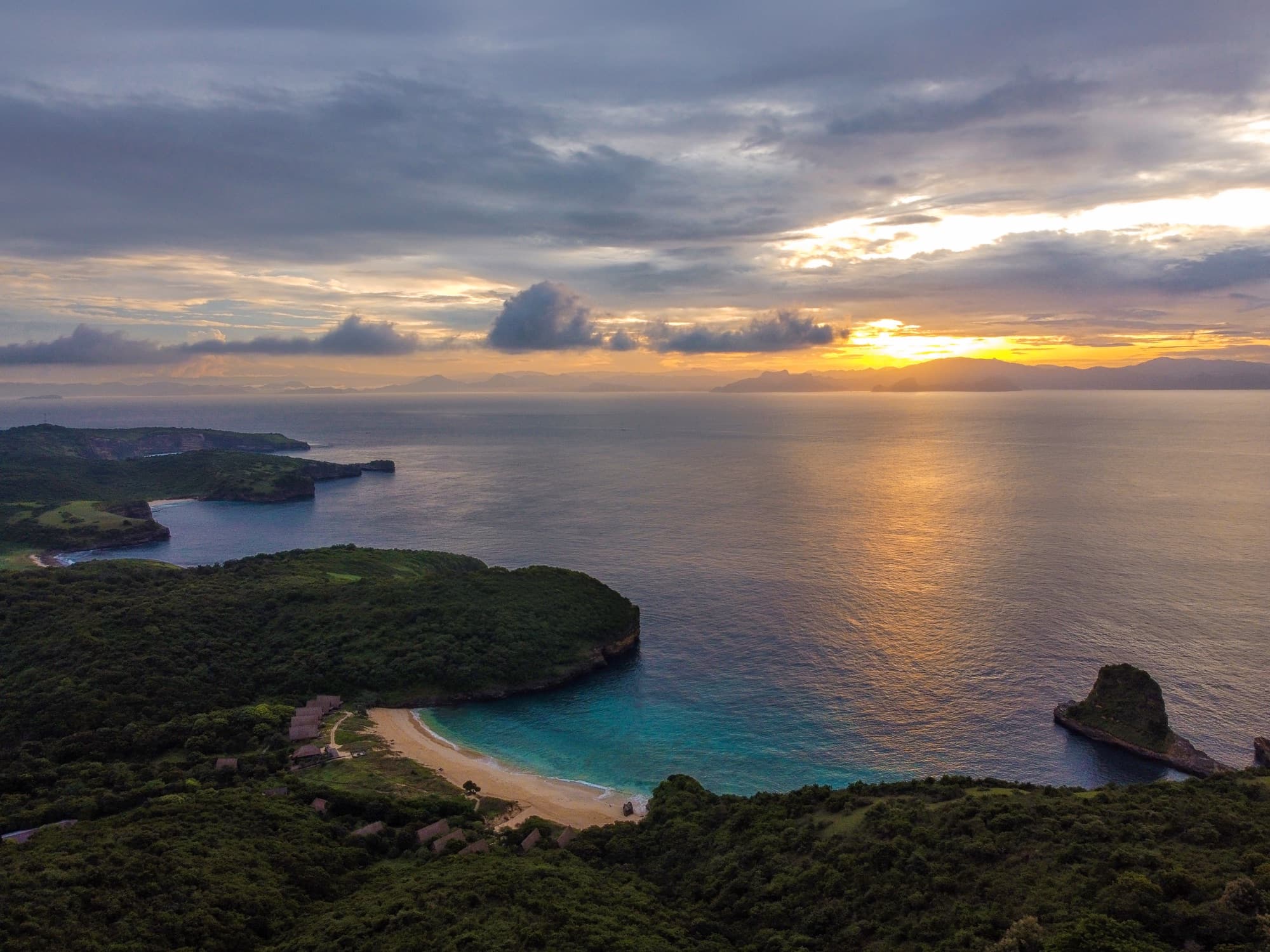
Jeeva Beloam sits within a 55-hectare nature reserve on the Tanjung Ringgit peninsula, the south-eastern tip of Lombok. The property has two private beaches. The main one stretches 250 metres of white sand.
Accommodation
11 lodges
Capacity
2 guests per unit
Availability
Year-round
Price range
$
Amenities
Spa · Restaurant · Wi-Fi
Included
Breakfast · Sea kayaks and bicycles · One free one-way airport transfer
Good to know
Children from 10 years old. An extra bed can be added.
Breakfast included in the base rate. All-inclusive option available.
Why it's a Positive Escape
11 open-air lodges on a remote peninsula. Built from recycled timber, powered by the sun, fed by the sea.
Travel mindfully
No public transport to the property. Car or boat transfer only.
Air conditioning runs on solar power during the day and switches off at night. Use it sparingly while it's on.
Getting there
Ferry terminal · 110 km
Lembar Ferry Terminal
Slow ferry from Padangbai (Bali) to Lembar (Lombok). About 4 to 5 hours, several crossings daily. From Lembar, approximately 2h30 by car to the property.
Boat transfer · 150 km
Fast Boat Harbors (Bangsal / Teluk Nare / Teluk Kodek / Senggigi)
If arriving by fast boat from Bali, the resort offers pickups from Teluk Kodek, Teluk Nare, Bangsal Harbor and Senggigi, approximately 4 hours by car to the property.
Airport · 58 km
Lombok International Airport (LOP)
Private car transfer, approximately 1h30 from Lombok International Airport (LOP). The road passes through rice and tobacco farming regions before reaching Sekaroh village. The final 11 km are semi-paved and require an SUV. One free one-way transfer included in the rate. A boat pickup from the dock at Te Elong Elong (East Lombok) can also be arranged, reducing the transfer by approximately 20 to 30 minutes.
Photos · © Jeeva Resorts
Last verified: April 2026
Some links on this page are affiliate links. If you book through them, we may earn a small commission at no extra cost to you. This never influences our selection.